Chasing Sunbeams: A Love Letter to Narcissus (The Humble Daffodil)
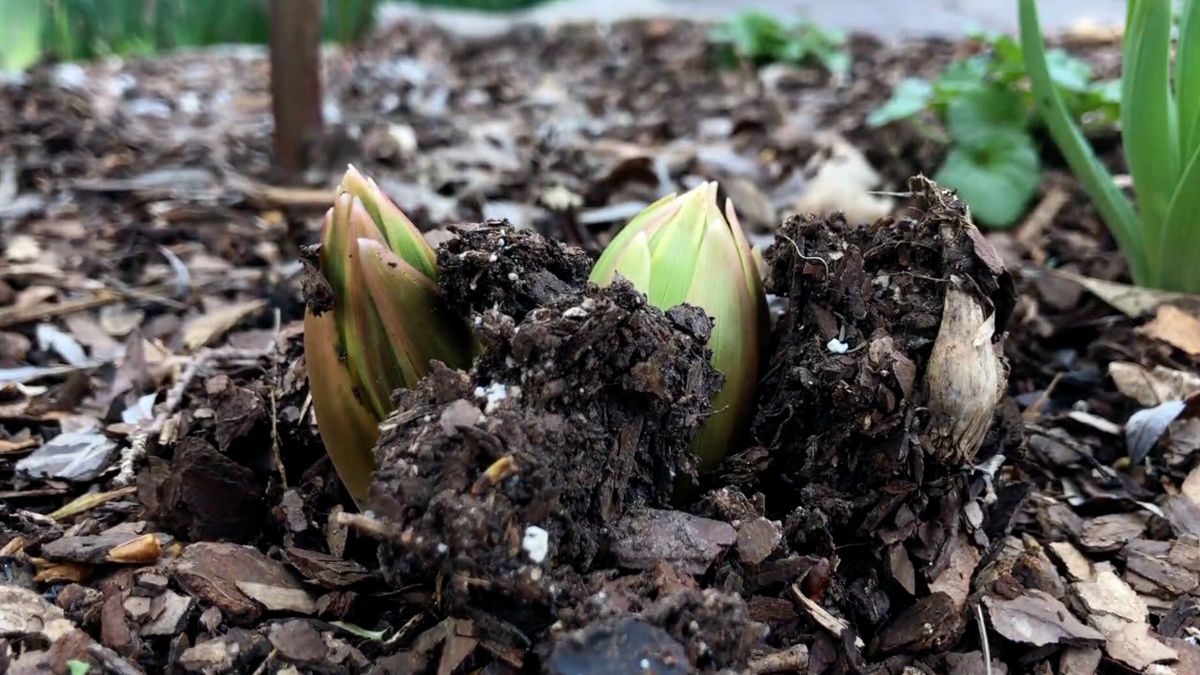
There is a moment in late winter—usually when the grey skies feel most oppressive—when the garden performs its greatest magic. Without warning, spears of emerald green pierce the cold soil, followed shortly by bursts of gold, white, and orange. I am talking, of course, about the daffodil.
Scientifically known as Narcissus (a name borrowed from the beautiful youth of Greek mythology), these plants are the true heralds of spring. They are more than just a pretty face; they are the workhorses of the temperate garden. Whether you are a seasoned horticulturist or a beginner looking for a guaranteed win, planting Narcissus is an act of optimism that pays dividends for decades.
When and Where to Plant for Maximum Impact
The secret to a spectacular spring display lies in the autumn. Plant your daffodil bulbs in the fall (September through November) , before the ground freezes. This window allows the roots to establish themselves before winter sets in, ensuring they have the energy to explode upwards come spring.
Location is everything. While Narcissus are forgiving, they perform best in full sun to partial shade. Ideally, plant them in a spot that receives at least six hours of sunlight while they are in bloom; because they bloom early, you can plant them under deciduous trees. By the time the trees leaf out fully, the daffodils will have already soaked up the sun they need to store energy for next year.
When planting, follow the "three times the height of the bulb" rule. If a bulb is two inches tall, dig a hole six inches deep. Space them about four to six inches apart. For the most natural look, avoid straight rows. Instead, gently toss a handful of bulbs onto the grass or bed and plant them where they land.
A Note on Ethics: Leave the Wild Ones Wild
It can be tempting, when driving through the countryside in early spring, to spot a clump of wild daffodils and think about transplanting them to your garden. Please, do not collect Narcissus from the wild.
Many wild populations, particularly the iconic Narcissus pseudonarcissus (Lent Lily), are under threat due to habitat loss and historical over-collection. Digging up wild bulbs is often illegal on protected lands and is ecologically irresponsible. The bulbs available at reputable garden centers are nursery-propagated, disease-free, and available in hundreds of stunning cultivars. By purchasing your bulbs, you ensure the survival of wild populations while guaranteeing a healthier, more vibrant display in your own yard.
The Structural Benefits of Daffodils in Garden Design
Beyond their cheerful color, daffodils offer specific advantages that make them essential to garden layout.
1. Naturalizing Champions
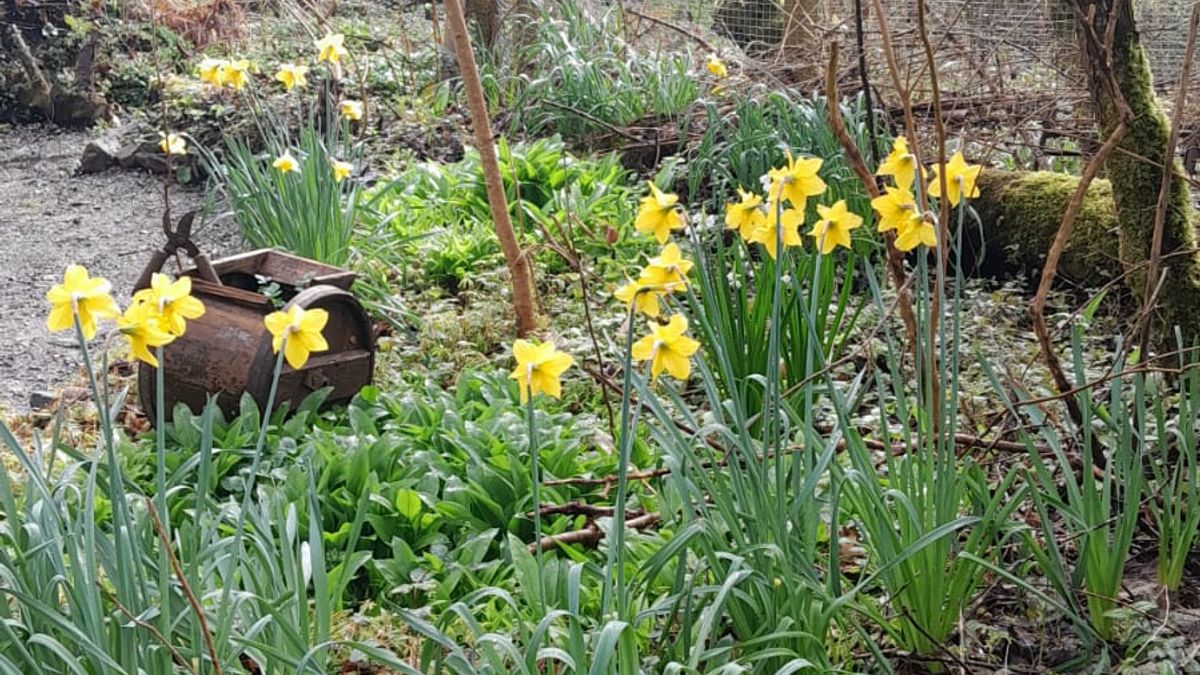
Unlike tulips which often fade after a year or two, Narcissus are perennials that "naturalize." This means they multiply underground. If you leave the foliage to die back naturally (resist the urge to braid or cut it for at least six weeks after blooming), your clumps will grow larger and denser every year. They are the ultimate investment.
2. Extending the Season
In a garden layout, daffodils bridge the gap between the last snowdrops and the explosion of summer perennials. They provide critical early nectar for pollinators emerging from hibernation, such as queen bumblebees, when few other food sources are available.
3. Pest Resistance
If you have trouble with deer, rabbits, or voles, daffodils are your best friend. They contain lycorine, a toxic alkaloid that makes them unpalatable to most garden pests. Interplanting Narcissus around the perimeter of a vegetable patch or among hostas acts as a natural, beautiful barrier.
4. Layering for Continuous Blooms
To create a luxurious garden layout, practice "lasagna planting." Plant late-blooming tulips directly above your daffodils in the same hole. Because daffodils bloom earlier and deeper, you can plant shallow-rooted perennials like daylilies or catmint on top of them. The emerging perennials will hide the fading daffodil foliage in late spring, keeping the garden tidy without sacrificing the bulb’s energy for next year.
From My Garden to Yours
I’m Rachel, and I garden in south County Clare, where the Atlantic wind keeps us humble and the first signs of spring feel nothing short of miraculous. My heart lies with wild gardening—letting nature take the lead, observing its rhythms, and learning that patience and respect always pay back in beauty. When I spot those first Narcissus spears pushing through the damp Irish soil, I know winter’s grip is truly broken. There’s no mistaking it: daffodils mean spring is here. Nature teaches us so much if we only stop to listen—how to grow slowly, how to rest, and how to return. If anything in these words has spoken to you, I’d be delighted to connect. Happy gardening, and may your spring be filled with golden blooms.