Let the Land Lead – The Joy of a Wild Irish Garden
The wild way – letting nature take the lead
When Brendan and I first looked at our patch of ground in County Clare, I had all sorts of grand plans. But the Atlantic weather had other plans!. After one too many storms flattened my carefully arranged flowerbeds, I finally sat down with a cup of tea and admitted defeat. That’s when the real gardening began. Instead of fighting the wind and the rain, we started watching. We noticed where the ferns were happiest, which spots stayed dry enough for a path and where the moss wanted to take over. Little by little, we let nature decide, and the garden became lighter, livelier and so much less work.
Old rotten tree trunks – the unsung heroes of regeneration
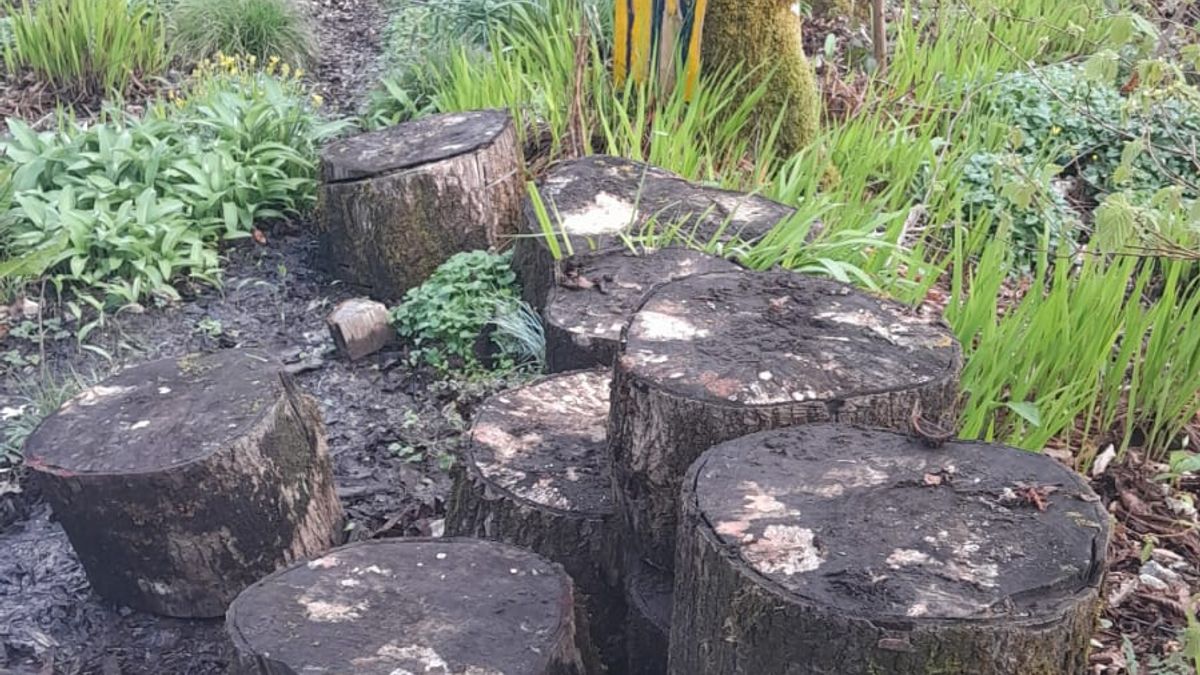
I used to drag fallen branches and rotting logs to the very farthest corner of the garden, as if they were something to be ashamed of. Then I learned that I was throwing away the very best soil food money can’t buy. Rotten wood is pure gold for the earth. It is humus, and humus does wonderful things for soil structure, moisture and nutrient retention. It encourages earthworms by the thousand, and it gives a gentle boost of nutrients that suits even the shyest native plants. Now we leave every fallen branch where it lies, or we tuck old trunks into the edges of the vegetable patch. Within a season, the wood breaks down into dark, crumbly soil that smells of the forest floor – and the plants go absolutely mad for it.
Why wildflowers don’t need our help
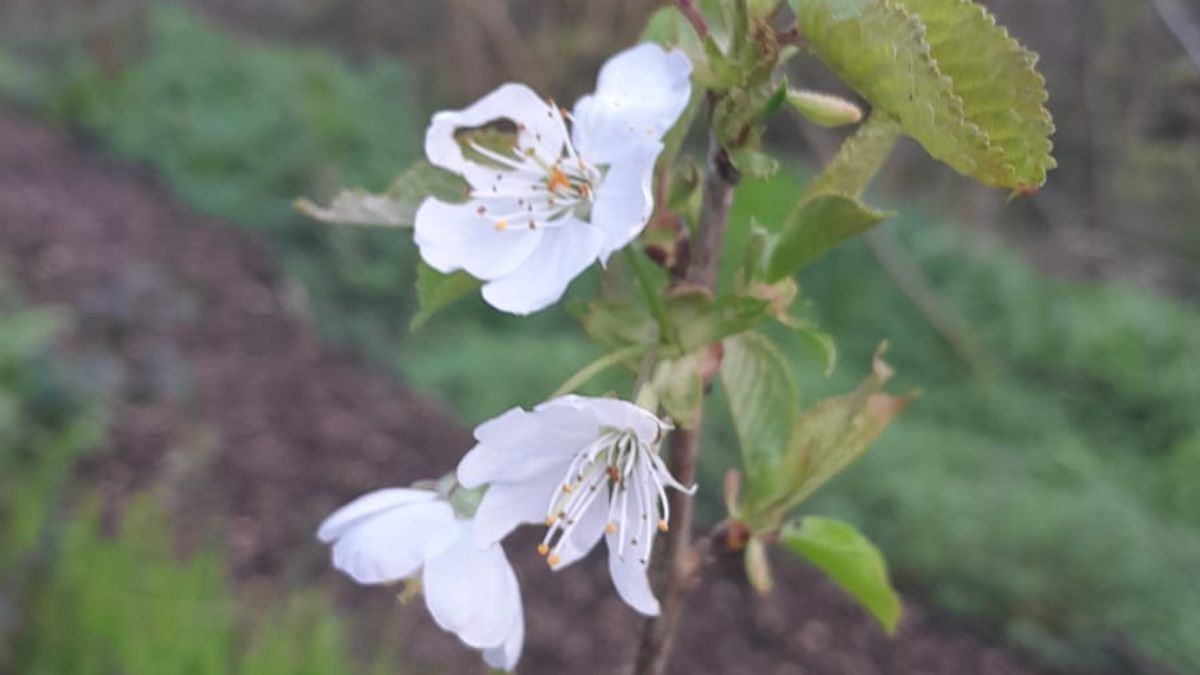
One of the first things I noticed when I stopped interfering was how quickly the wildflowers appeared. Ragged robin, meadowsweet, devil’s bit scabious – they just turned up, as if they had been waiting for permission all along. Wildflowers have a clever trick: many of them can pollinate themselves when bees are scarce. This ability to self‑fertilise means they don’t have to rely on a passing insect to set seed. They simply get on with the job of reproducing, even in the teeth of a Clare gale. In an uncertain climate, this “selfing” is a lifesaving backup plan that lets wildflowers spread without any help from us. The more I leave them alone, the thicker and more beautiful the meadow becomes.
Driveways and tracks that work with nature
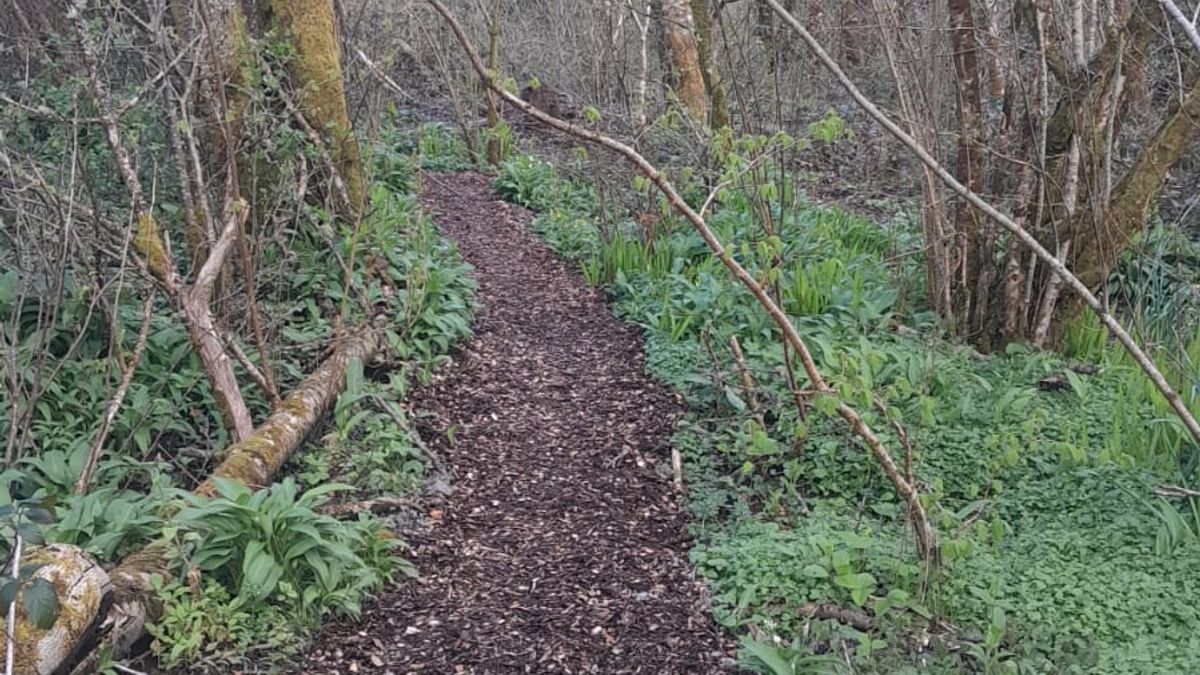
For years Brendan nagged me about the driveway. It was either a mud bath or a dust bowl, and nothing I did seemed to fix it. Then we discovered self‑binding gravel. It is a mix of stone, sand and clay fines that locks together when compacted, yet still lets rainwater drain through. It looks natural, it doesn’t puddle, and it holds a wheelbarrow without turning into a quagmire. For smaller paths around the garden, we use a thick layer of wood chips. Wood chips suppress weeds without chemicals, and as they break down they feed the soil beneath. Once a year we top them up, and the paths stay open, weed‑free and beautifully organic. No plastic, no concrete – just nature doing the heavy lifting.
It’s not a “lazy” garden – it still takes energy
I don’t want anyone to think a wild garden runs itself completely. There is still plenty of work, but the work is different – and much more rewarding. Instead of endless watering and weeding, we spend our time sowing a few choice natives and editing out the thugs. Right now our favourite plants for the Clare climate include bird’s‑foot trefoil, corn poppy, cowslip, yarrow, meadowsweet, selfheal, purple loosestrife and devil’s bit scabious. They shrug off the wind, love the damp and feed bees from April right through to October. A couple of hours of gentle maintenance each week keeps the meadow healthy, and the rest of the time we simply sit and watch the show.
Come and see for yourself...
If all of this sounds like your kind of gardening, you would be so welcome to spend a few days with us here in County Clare. We run a small airbnb affaire, Get in touch with me or Brendan, and come and walk the paths, listen to the birds and see how we let nature decide. You’ll leave with muddy boots, a head full of ideas and probably a pocketful of seeds.