The Secret Life of Balcony Bugs: A Tiny Safari in Your Backyard
There's a moment of quiet magic that happens when you stop looking at your balcony as a place to store your watering can and start seeing it as a wilderness.
I was sitting outside the other day, coffee in hand, watching the world go by. And that's when I saw them: tiny, determined travelers navigating the obstacle course of my potted plants. A red-and-black bug marching across a leaf like it had somewhere important to be. A little brown critter, looking like a tiny armored tank, ambling along the edge of a planter.
If you've ever sat and watched insects, you know the feeling. It's mesmerizing. It's like watching a nature documentary unfold in real-time, right at your feet. You start to wonder: What are they doing? Do they have any idea where they're going?
Let's dive into the secret lives of these tiny balcony dwellers.
Meet the Neighbors
The two bugs you might spot on your balcony are likely the same ones I've been watching.
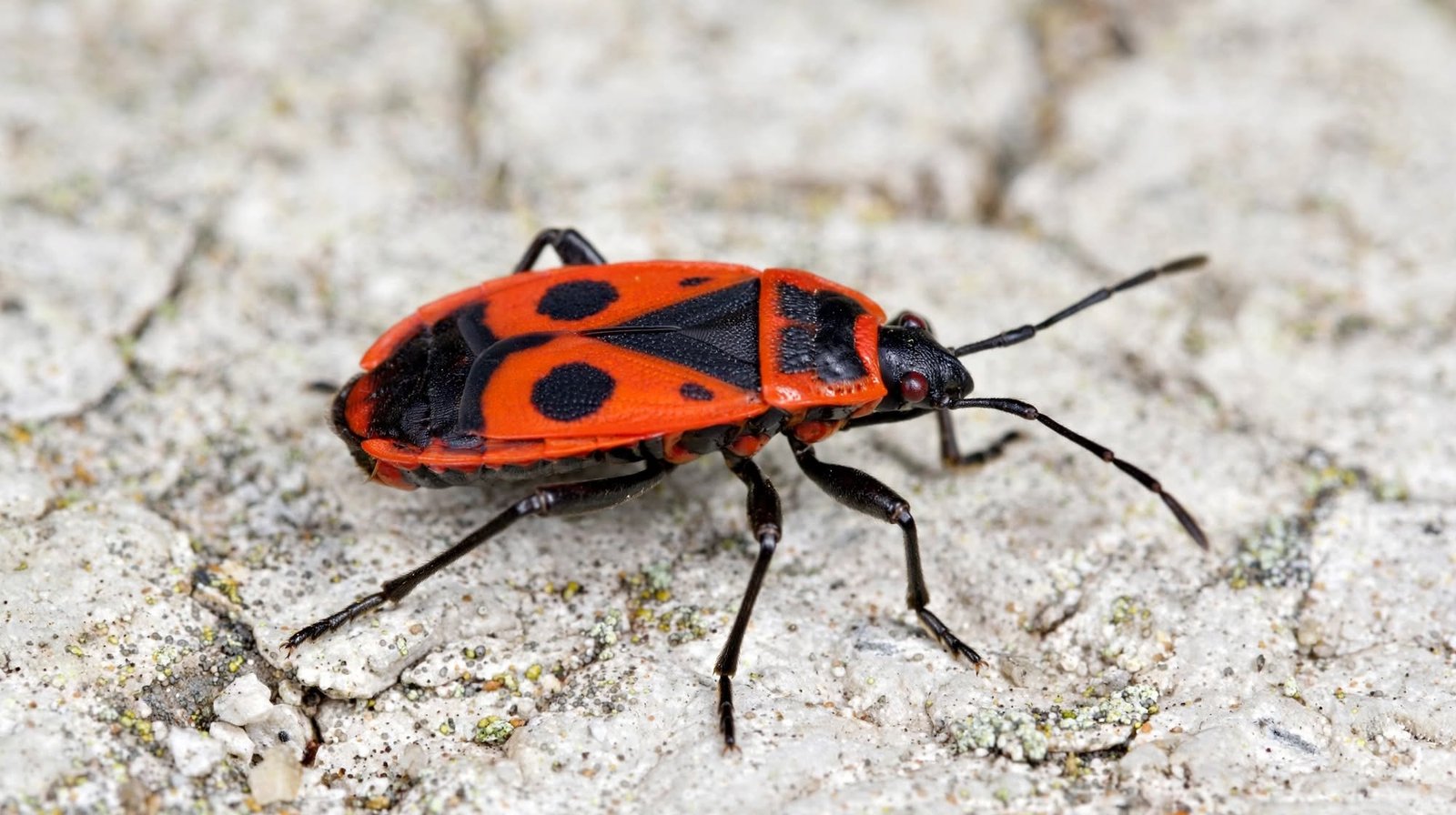
That striking red-and-black bug? That's Pyrrhocoris apterus, sometimes called the European firebug. It's a seed bug, and it's not a picky eater. It feeds on the seeds of a wide variety of plants, with a particular fondness for those in the mallow family They're often found in groups, so if you see one, keep an eye out for its friends.
The little brown one? That's a different story. That's likely a nymph—the immature stage—of the brown marmorated stink bug. You can tell by its rounded, shield-like shape and the distinctive white bands on its antennae and legs It hasn't grown its wings yet, so it's stuck walking. But don't let its small size fool you; it's already a hungry little sap-sucker, using its needle-like mouthparts to pierce plant tissues and drink the fluids inside.
What Are They Doing? And Do They Know Where They're Going?
To us, their movements can look aimless. A random walk across a leaf. A slow crawl up a stem. But to them, every step has a purpose.
They're driven by the same things that drive us: food, safety, and maybe a little romance. The firebug might be searching for fallen seeds. The stink bug nymph might be looking for a tender spot on a leaf to feed. They're not just wandering; they're hunting. They're surviving.
And yes, they absolutely know where they're going, even if it doesn't look like it.
Insects are equipped with a remarkable toolkit for navigation. They use chemical cues, like pheromones, to follow trails left by others. They use visual landmarks, learning the shapes and positions of leaves and stems to remember routes. They can even use the sun and the patterns of polarized light in the sky as a celestial compass. Think of it like this: you might not know the name of every street in your city, but you know how to get to the grocery store. That's the kind of "knowing" these bugs have.
The Incredible Journeys of Tiny Travelers
So, just how far does an insect walk in a day? The answer is wonderfully varied.
For an ant, those tiny six-legged marathon runners, the distance can be staggering. One source notes that an ant can travel up to four miles in a single day. Let's put that in perspective. For a creature that small, that's an epic journey. It's the equivalent of a human walking across a whole state. Over its lifetime, which can last one to three years, an ant might cover an astonishing 3,000 miles.
Other insects are no slouches either. Mormon crickets, which are actually a type of flightless grasshopper, have been recorded walking more than a mile in a single day across steep terrain. And a type of beetle studied by researchers was found to fly an average of two kilometers (about 1.2 miles) per day, with a cumulative flight distance of 63 kilometers over its adult life.
These aren't just numbers. They represent a level of drive and endurance that's almost humbling.
The Ants: The Ultimate Navigators
If you really want to be impressed, spend a few minutes watching ants.
Ants are the undisputed champions of insect navigation. They use a technique called "path integration," which is a fancy way of saying they keep track of every turn and every distance they've traveled to calculate a direct route back home. It's like having a built-in GPS in your brain.
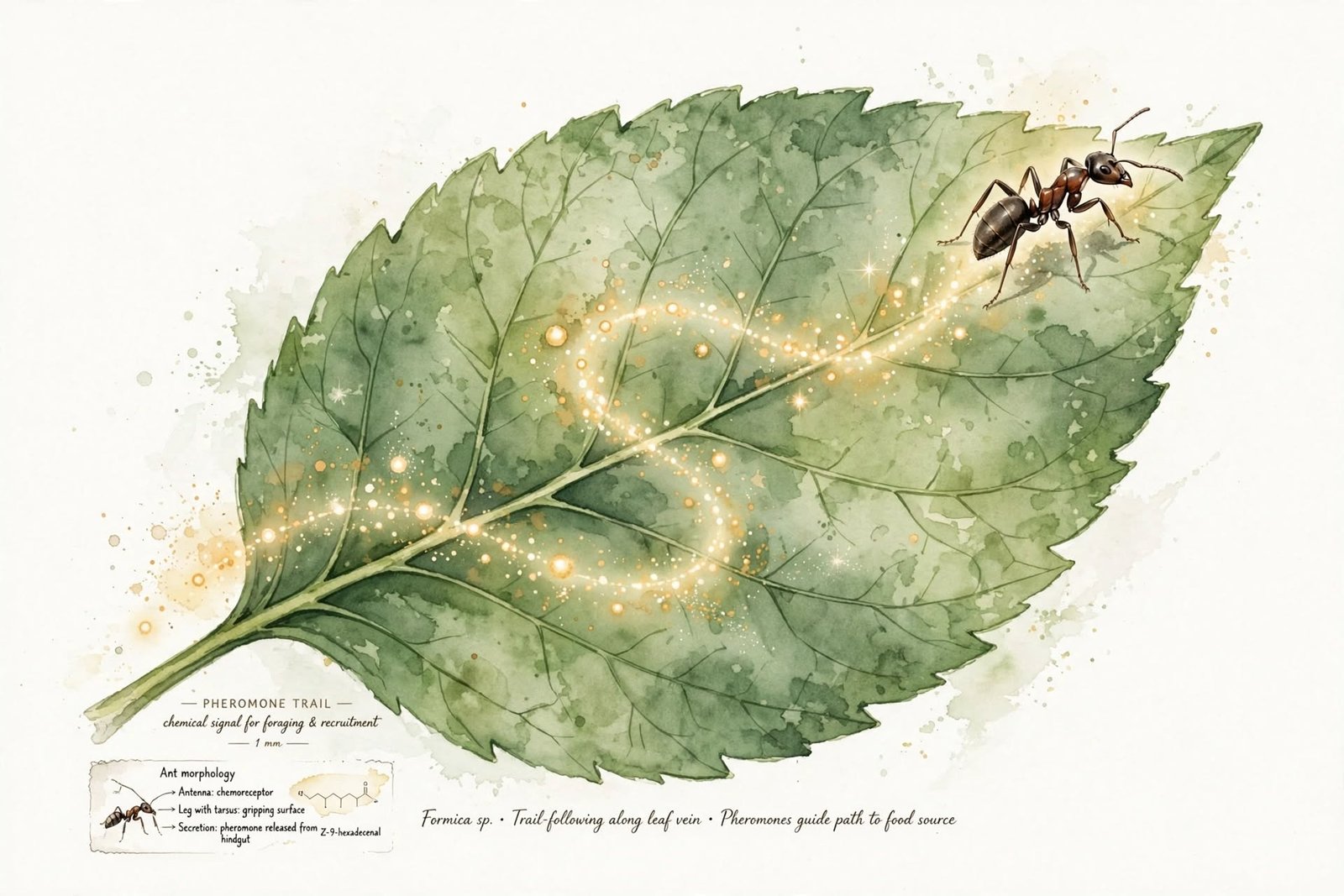
But they don't just rely on internal maps. They also use "trail pheromones." When an ant finds a good source of food, it lays down a chemical trail on its way back to the nest. Other ants follow this trail, and as they find the food, they reinforce the trail with more pheromone. It's a form of collective memory, a way of saying, "Hey, everyone, this way to the snacks!"
Young ants actually need to learn how to follow these trails. They watch their older nestmates and practice, gradually getting better at staying on the chemical path. It's a little ant school, right on your balcony.