Your Garden Was Never Only Yours
Most of us design a garden by eye. We choose plants for color, height, bloom season — the way light moves across a bed at four in the afternoon. The soundscape almost never gets the same care, even though a garden has one whether we plan it or not, and that soundscape isn't background noise. It's three overlapping, genuinely ancient conversations, running on a schedule none of us set.
Dawn: A Chorus That Predates the Garden It's Sung In
At first light, the birds start. It isn't random — a dawn chorus is dozens of individual, species-specific songs layered together, and in many species, dialect-specific too. White-crowned sparrows a few miles apart in San Francisco sing detectably different songs, the same way human dialects drift between neighboring towns. The blackbirds in your hedge may genuinely sound a little different from the blackbirds two streets over. None of that depends on anything you planted — it depends on whether you left the hedge standing.
Dusk: The Pond as an Instrument
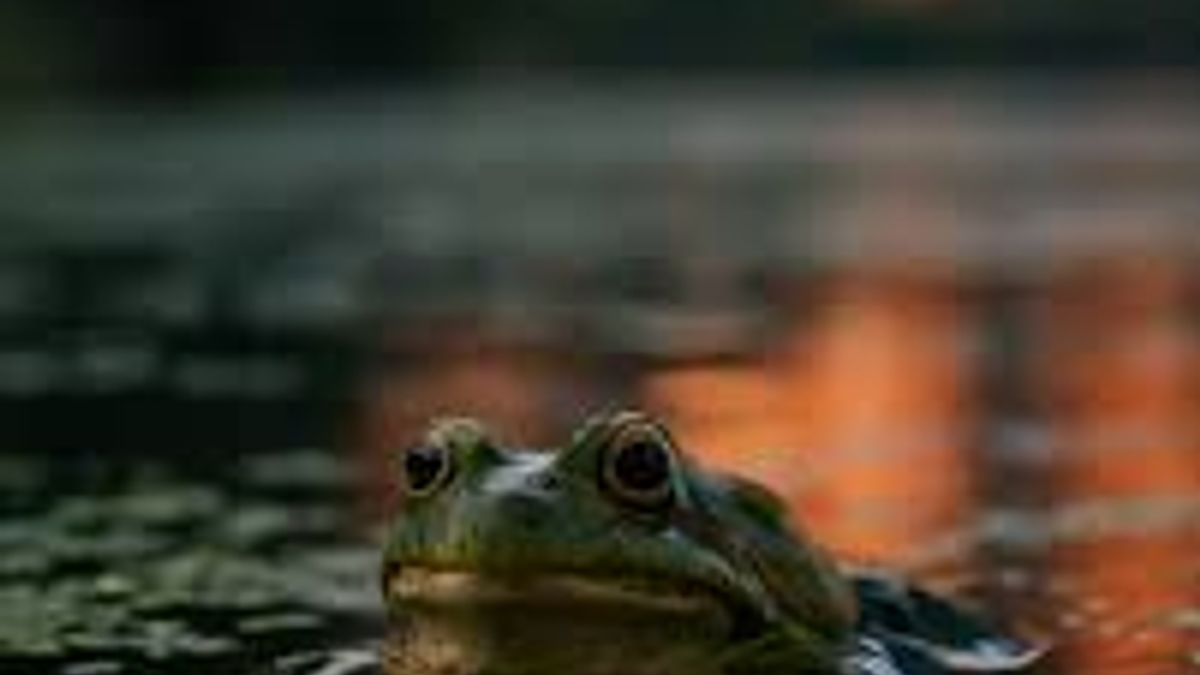
When the light drops, if there's water nearby, the frogs and toads take over. A frog call isn't just a vibrating throat — it's air forced through an inflatable pouch acting as a tuned resonating chamber, the same basic principle as a guitar body shaping a plucked string into something fuller. Frogs are believed to be the first land animals to ever evolve vocal cords, some 180–200 million years ago, which makes the sound coming off a garden pond at dusk one of the oldest categories of communication still in daily use on the planet — and it only happens if there's a pond there to make it.
After Dark: The Insects Were Here First
Once it's fully dark, the crickets and other stridulating insects take over — sound made by rubbing wings or legs together, a technique with fossil evidence stretching back roughly 165–230 million years. They predate almost everything green in a typical nursery catalogue. A cricket calling in your garden tonight is running a communication system older than the flowers it's calling from.
Coda: Playing With the Same Ingredients
I built something out of all this — Coda, a free, browser-based instrument: a wheel of color, one hue per note, arranged like a clock face. Touch it, hold it, drag across it, and it makes sound built from the same real acoustic ingredients described above — breath turbulence, a frog-like throat resonance, an insect-like wing buzz, a whale-like slow wobble — plus a small dial that morphs between them and two dozen built-in examples. It isn't trying to *be* a frog or a bird. It's trying to make the shape of those strategies audible, so the idea of an ancient soundscape stops being an abstraction and becomes something you can actually play with. It even records — so you can play a sound back to whatever's making noise in your own garden and see if anything answers.
Why This Belongs Here, Not Just on a Music Site
A garden is rarely designed with anyone other than its human owner in mind. But every choice — a pond with gentle, sloping edges instead of a steep ornamental basin, a "messy" corner of leaf litter left alone instead of cleared, a native hedge instead of a striking but empty ornamental import — decides who else gets to live there, and therefore what your garden actually sounds like. An eco-pond isn't a downgrade from a decorative water feature; it's the difference between a pond frogs can use and one they can only fall into. A garden built only to look good to humans can end up beautiful and silent. A garden that leaves room — water with shallow edges, undergrowth left alone, native plants that actually feed something — stays loud with lives that were never yours to manage, only to make space for.
TRY CODA HERE: https://dreamscapegardens.eu/public/assets/coda.html